Sado City: Living in Harmony with Nature Through Biodiversity Conservation
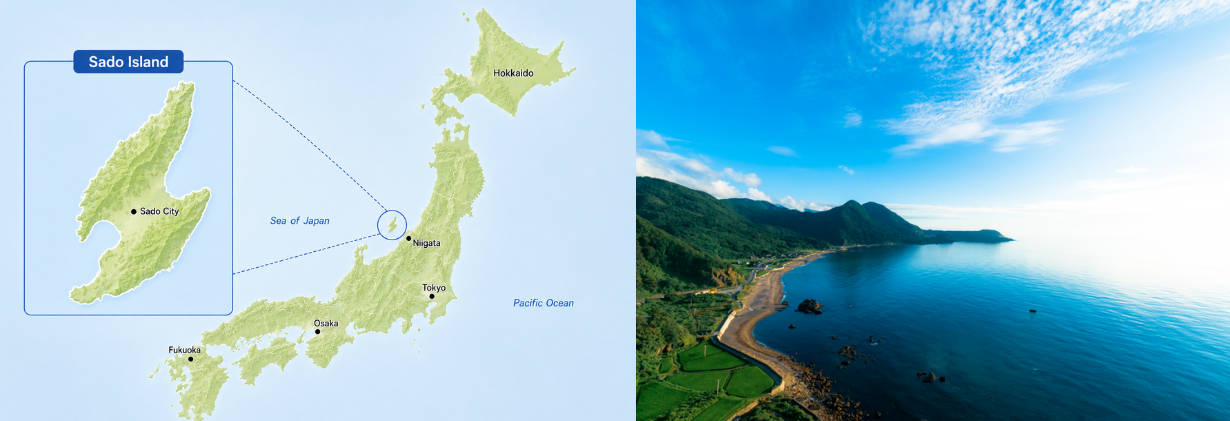
ICLEI member Sado City, Japan, is demonstrating how local communities can protect biodiversity while sustaining traditional agriculture and rural livelihoods. The city is located on an island known for its rich natural environment and cultural heritage, where innovative approaches integrating conservation, agriculture, and sustainable development have been developed.
Reintroduction and Conservation of the Japanese Crested Ibis
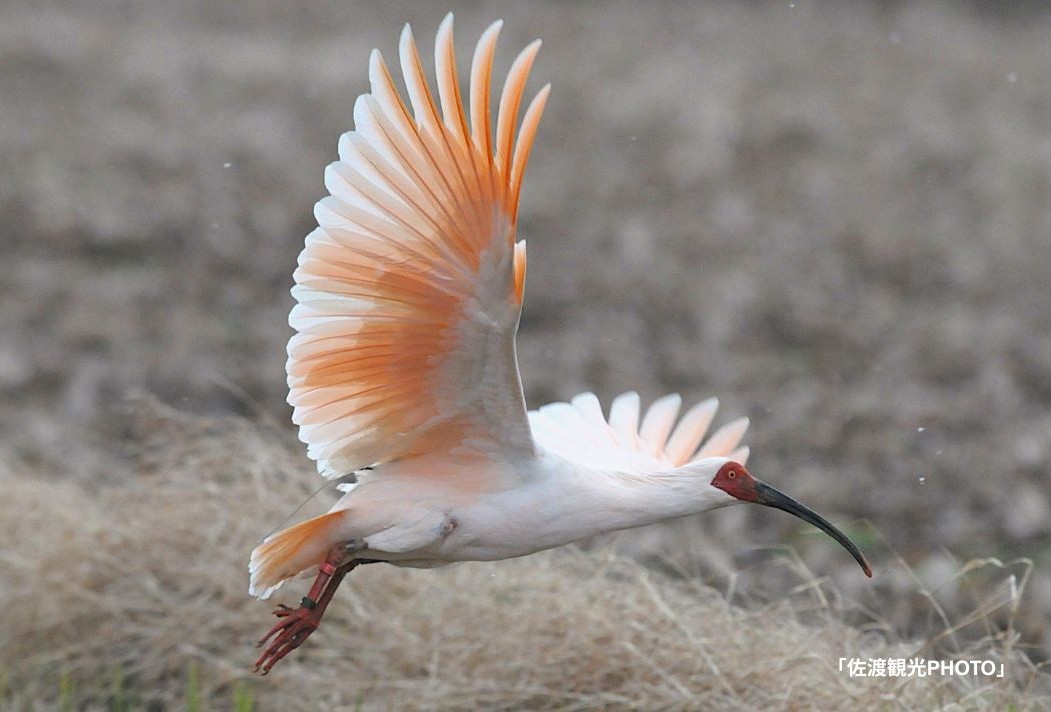 One of the most symbolic initiatives on Sado is the conservation of the Japanese crested ibis (Toki), which once became extinct in the wild in Japan.
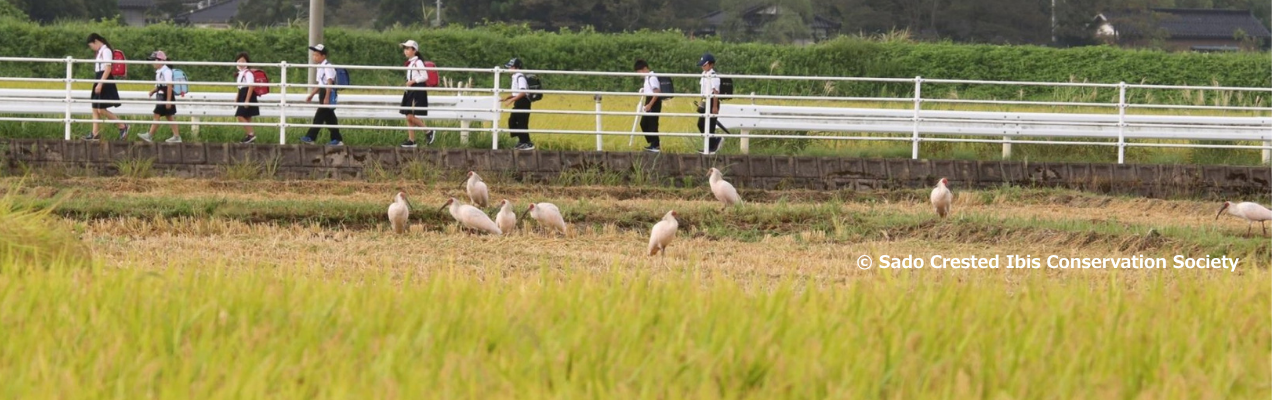
Today, the wild population on the island has recovered to around 500 individuals. Through collaboration among farmers, residents, researchers, and government authorities, agricultural practices across Sado have been transformed to support biodiversity and create habitats where the crested ibis and many other species can thrive.
Most recently, Sado has formulated the Sado Biodiversity Strategy 2030, a comprehensive strategy aimed at promoting coexistence between people and nature.
Farming methods that nurture living creatures
On Sado, farmers have adopted environmentally friendly agricultural practices, including reducing the use of chemical fertilizers and pesticides and maintaining winter-flooded rice paddies that provide habitats for insects, fish, and other wildlife that serve as food sources for the crested ibis.
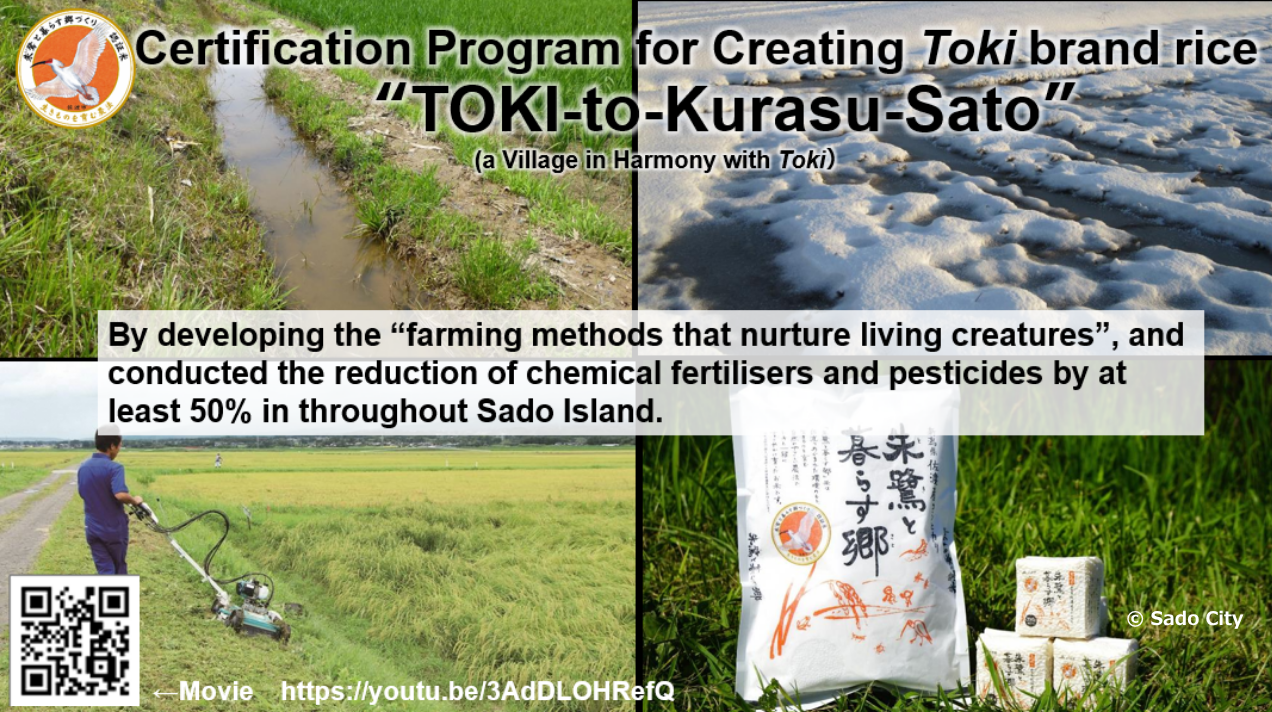 In 2007, Sado launched the “TOKI-to-Kurasu-Sato (A Village in Harmony with Toki)” Certification Program to secure feeding habitats for the endangered crested ibis and promote biodiversity-friendly rice farming. Through this initiative, Sado has developed its own certified rice brand, “TOKI-to-Kurasu-Sato,” produced using “farming methods that nurture living creatures” unique to the island that nurture biodiversity and local ecosystems. Part of the sales supports local environmental conservation efforts, helping protect Sado’s satoyama landscapes and wildlife while encouraging sustainable agriculture through consumer participation.
Integrating Biodiversity into Sustainable Local Development
Beyond biodiversity conservation, Sado is advancing broader sustainability goals through a comprehensive local development strategy aligned with the United Nations Sustainable Development Goals (SDGs). The city has introduced initiatives that promote circular resource use, climate action, and community-based environmental stewardship. Sado also produced a Voluntary Local Review (VLR), sharing its progress and local initiatives with the global community.
As an island community, Sado provides a unique example of how environmental conservation and regional revitalization can go hand in hand. By protecting biodiversity, promoting sustainable agriculture, and engaging residents, the island continues to build a resilient and sustainable future.
Sado’s experience offers valuable lessons for cities and regions worldwide seeking practical ways to integrate nature conservation into local development strategies.