How Indigenous Knowledge Supports Climate Adaptation and a Sustainable Future
In April 2026, we participated in the 2026 Indigenous Arts Festival & International Forum at JinFong, held in Jinfong Township, Taitung County—often described as a hidden paradise in Taiwan.
Jinfong Township is home to many Indigenous communities and is a region where a large number of Taiwan’s Indigenous peoples reside.
Indigenous peoples in Taiwan account for approximately 2.5% of the total population, with 16 groups officially recognized by the government.
They have inhabited the island long before the Han Chinese migration, and each group maintains its own distinct cultural heritage and traditions passed down through generations.

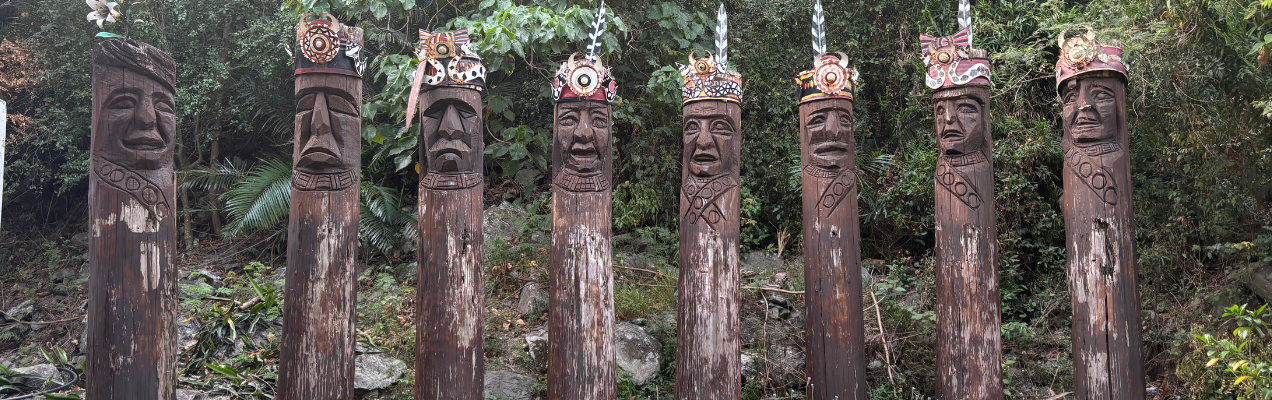
(Left) Source: Taiwan Indigenous People’s Knowledge Economic Development Association (Right) Source: JinFong Tourism Website
Jinfong Township consists of five villages, and its residents are primarily Indigenous peoples, particularly from the Paiwan tribe.
Although their lifestyles are broadly similar to those of the wider Taiwanese population, distinctive cultural practices and traditions continue to be carefully preserved within the community.
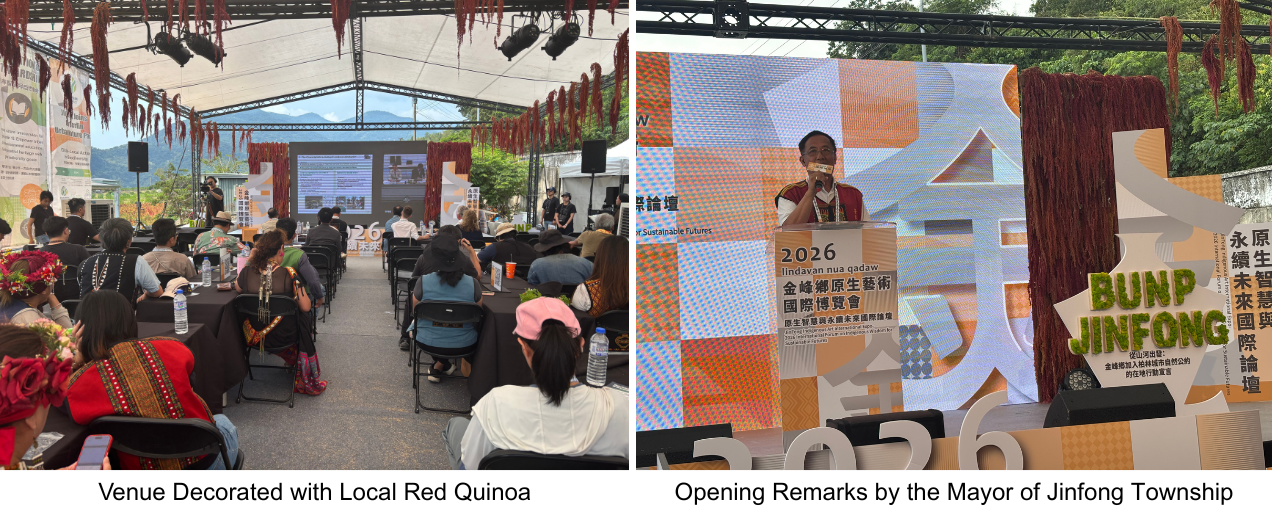
The forum was held in a lush outdoor flower garden, reflecting the natural setting of an Indigenous village.
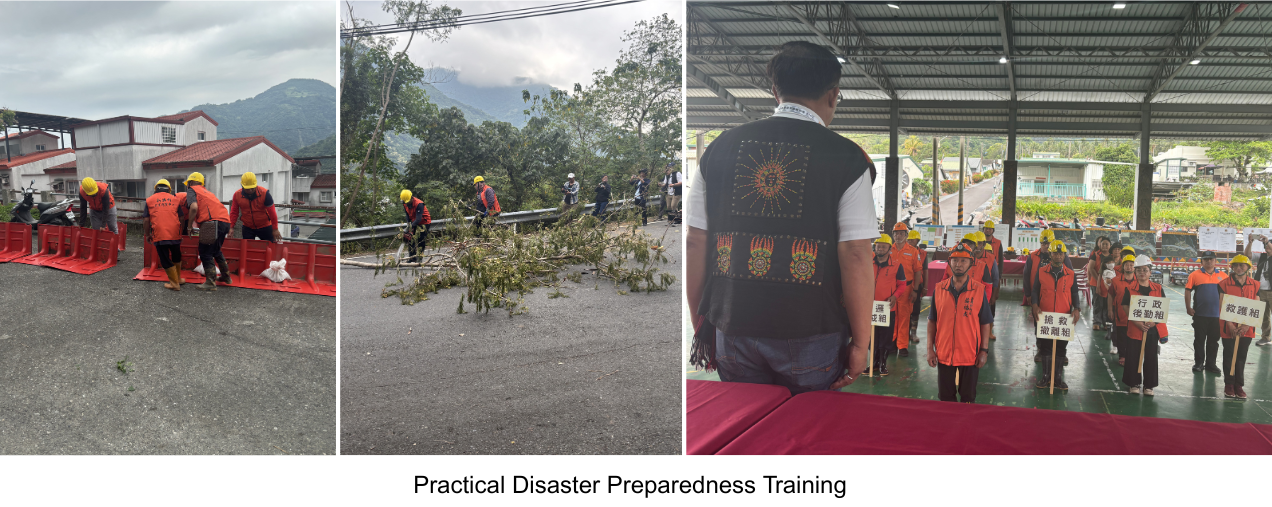
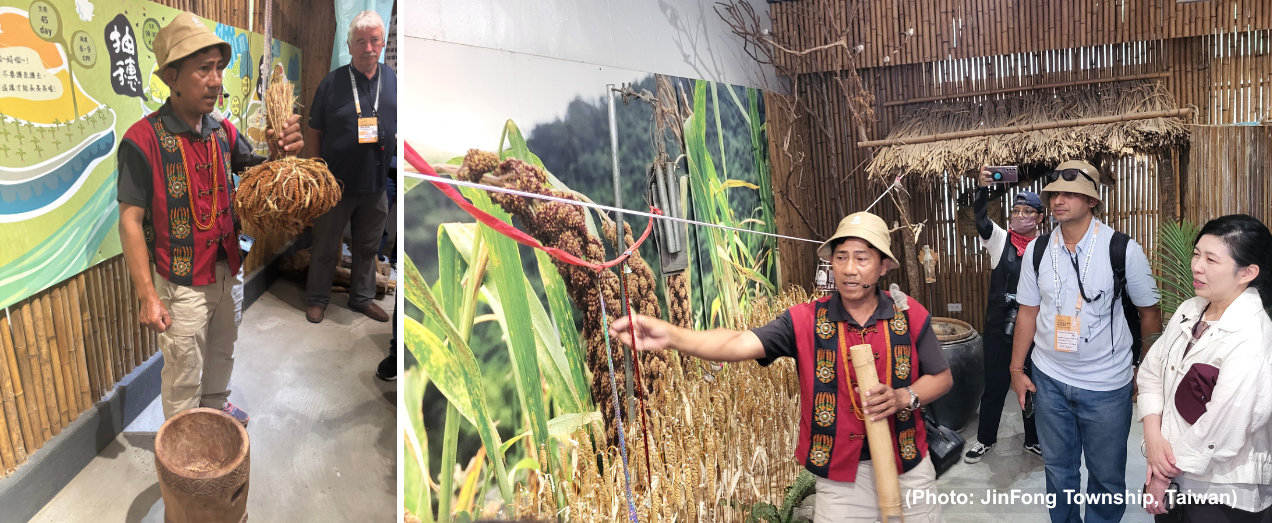
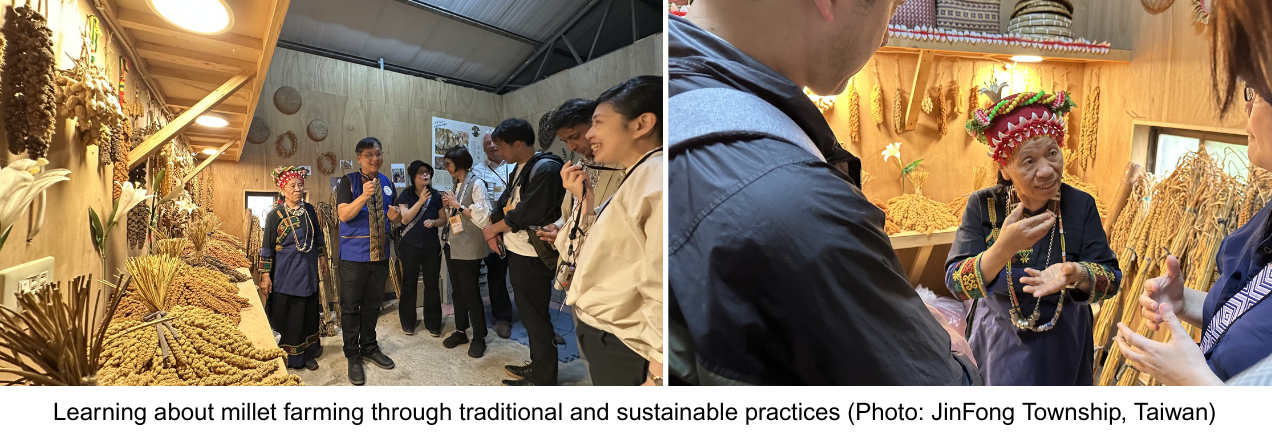
Presentations highlighted how traditional knowledge passed down through generations is applied to achieve sustainable living, while emphasizing a deep connection to the land and the importance of preserving cultural heritage. Participants also shared approaches to adapting to changing climate conditions and strengthening disaster preparedness.
 Living in harmony with nature by making use of the local environment and traditional knowledge unique to the region was also a central theme of the forum.
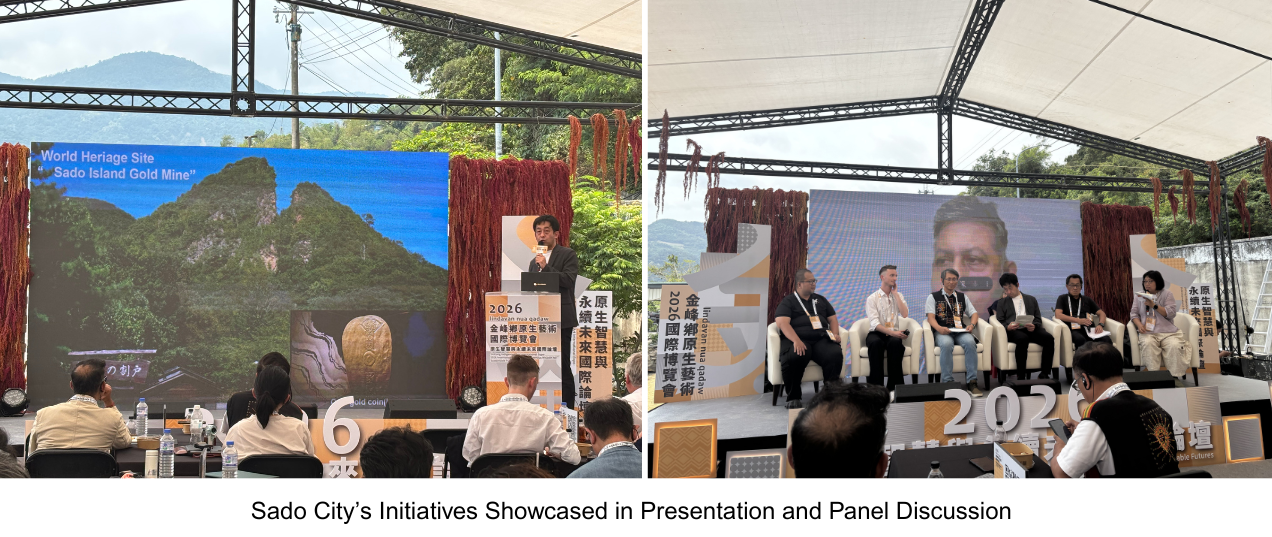
From Japan, Sado City, an ICLEI member city, participated on-site, while Kuriyama Town in Hokkaido joined online.
Sado City introduced its successful restoration of biodiversity through the return of the Japanese crested ibis, which became extinct in the wild in 1981, and has since recovered to approximately 500 individuals.
To achieve this, it was necessary to restore biodiversity across the entire island of Sado.
Initiatives such as pesticide-reduced rice farming aimed at coexisting with the crested ibis, as well as the development of branded rice that adds value through the concept of living in harmony with the species, were presented as successful examples of how small- and medium-sized municipalities can balance nature conservation with agricultural profitability. These efforts attracted strong interest from Indigenous participants in Taiwan.
The archived video is available here (Sado City’s presentation starts at 5:40).
 Kuriyama Town presented its community-based environmental initiatives, including river restoration efforts to support the return of salmon. By engaging residents in conservation activities and introducing a local point system that rewards participation in environmental and community-building efforts, the town has strengthened both ecological awareness and the local economy. The archived video is available (starts at 1:25:40) here.
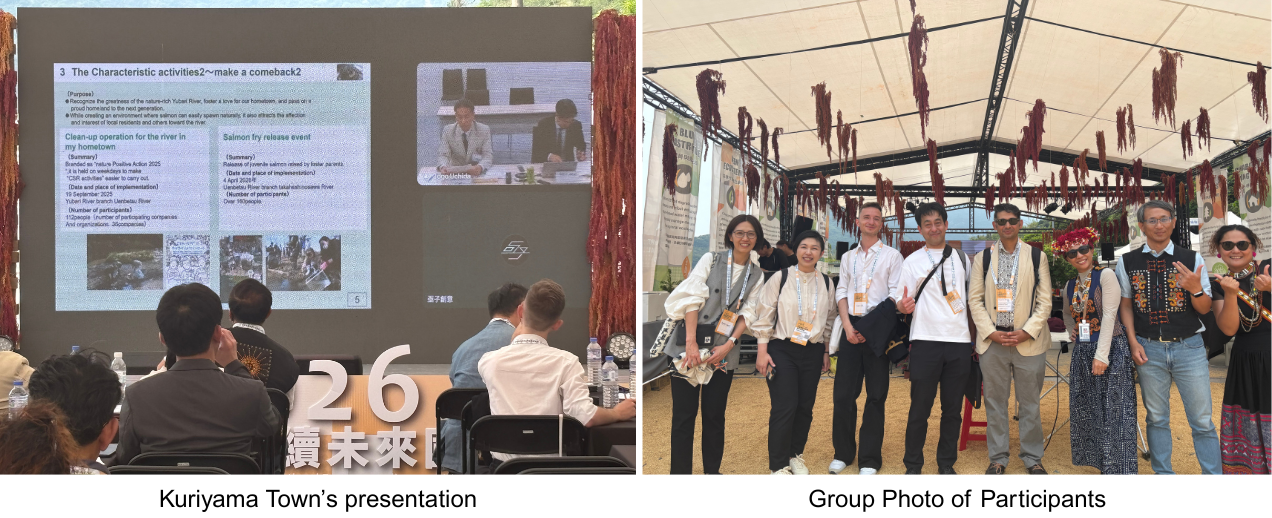
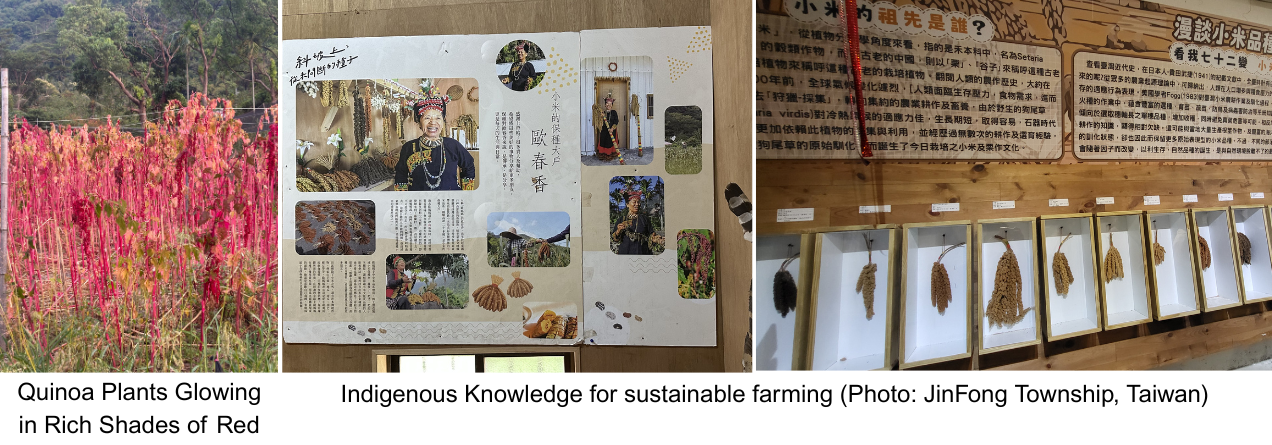
The forum also highlighted an important perspective: effective climate change adaptation is not achieved solely through advice from external experts unfamiliar with the land. Rather, the “everyday knowledge” rooted in local communities—developed through lived experience—can offer low-cost, practical solutions while fostering stronger community engagement. This insight left a strong impression on participants.
Through this event and site visit, we gained a deeper understanding of the history and knowledge of Indigenous communities in Taiwan. Their ability to respond to increasingly frequent natural disasters while respecting cultural values and the way communities come together to support one another was truly remarkable.
Even in areas at risk of landslides, these lands are not places that Indigenous peoples can easily leave behind. Relocating to “safer areas” is not always the only solution; there are values and connections tied to the land that can only be understood by those who have long lived there.
This experience reaffirmed that resilience, sustainability, and climate change adaptation are fundamentally grounded in the knowledge and collective strength of local communities.
At the same time, we were deeply inspired by the strong commitment of Indigenous peoples to further evolve by learning from global practices and experiences.